Announcement
ASEAN–Japan Workshop on Compound Geohazards Held in Tsukuba
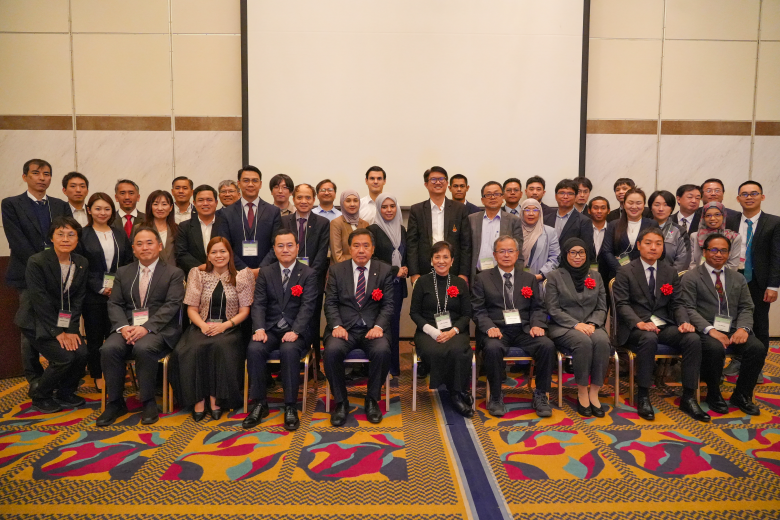
The National Research Institute for Earth Science and Disaster Resilience (NIED), in collaboration with the Department of Science and Technology (DOST), Philippines and partners under the ASEAN Science, Technology, and Innovation Platform for Disaster and Climate Resilience (ASPDCR), hosted the ASEAN–Japan Workshop on Compound Geohazards (Tsukuba Intervation 2026) on 30–31 March 2026 in Tsukuba, Japan.
The workshop brought together a total of 59 participants from government agencies, research institutions and the private sector, including 25 participants from 11 ASEAN Member States. It was organized as part of the Intervation Session Series, an initiative that promotes “Interacting for Innovation,” a concept that advocates to integrate scientific knowledge into practical disaster risk reduction and management (DRRM) actions.
Addressing Compound Geohazards through ASEAN–Japan Cooperation
ASEAN countries and Japan share common challenges related to geohazards such as landslides, floods, earthquakes and volcanic hazards that often interact with multiple factors including heavy rainfall, seismic activity and other geological conditions that often makes them compound disasters.
The workshop provided a platform for knowledge sharing and discussion across the full spectrum of disaster science, from fundamental physical processes and monitoring to multi-hazard risk assessment and early warning systems, with the aim of deepen STI-driven collaboration between ASEAN and Japan.
Opening Remarks and Key Messages
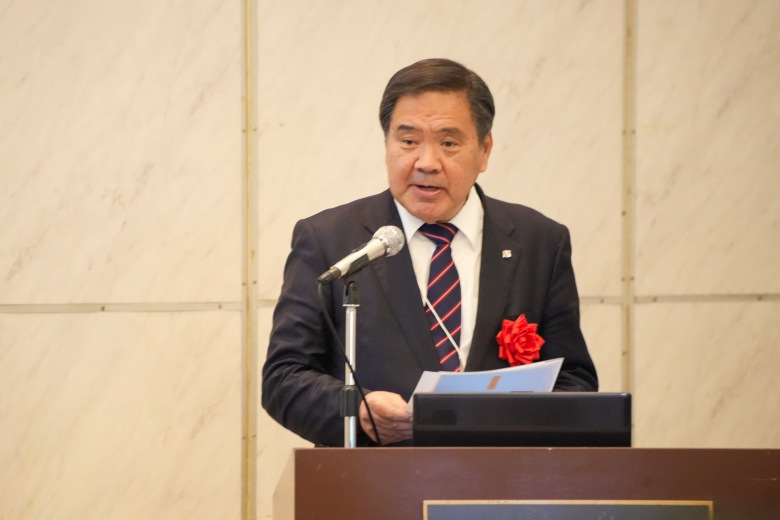
The workshop opened with remarks by Prof. Kaoru Takara, President of NIED, who highlighted the shared disaster risks faced by ASEAN and Japan due to similar geographical and climatic conditions.
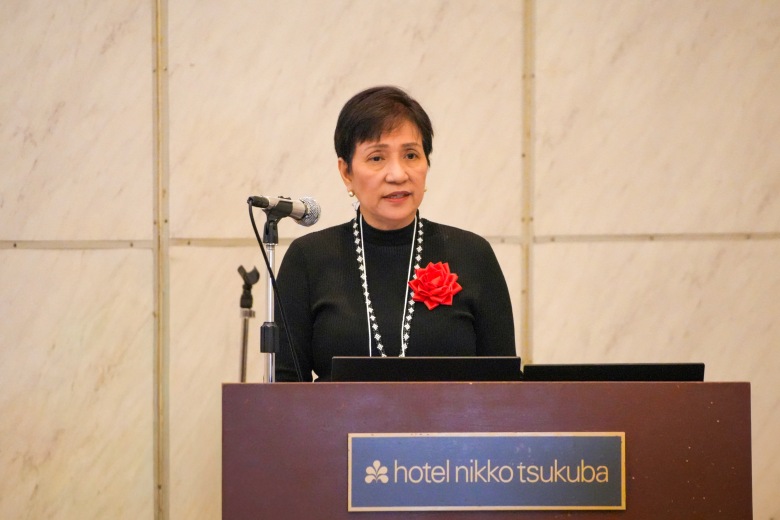
Dr. Leah J. Buendia, Undersecretary of DOST and Chair of ASEAN COSTI Phillipines, noted that the workshop serves as an important opportunity to strengthen ASEAN–Japan cooperation by sharing experiences in taking measures to compound disasters in the two regions.
Messages were also delivered by Japan’s Ministry of Education, Culture, Sports, Science and Technology (MEXT) and the ASEAN Secretariat, reaffirming their commitment to regional cooperation in building disaster and climate resilience.
Keynote lecture by Prof. Masahiro Chigira of the Fukada Geological Institute pointed out that Southeast and East Asia are most susceptible to geohazards induced by rainstorms and earthquakes, based on their seismological and hydrological backgrounds.
Technical Sessions
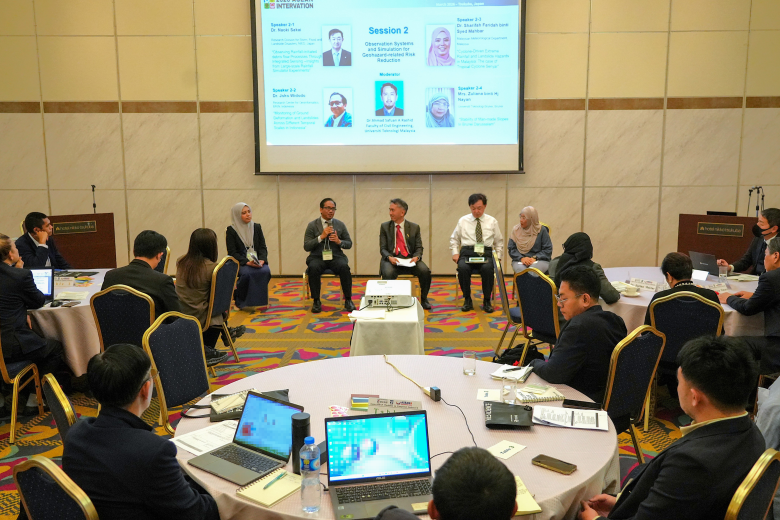
The workshop featured four technical sessions that covered topics on physical processes and failure mechanisms of geohazards, observation systems and simulation for disaster risk reduction, multi-hazard risk assessment methods and transition from science to practice through such means as effective early warning systems. International experts, together with NIED researchers, showcased advanced approaches including AI-based monitoring and integration of multi-sensor data.
Panel discussions across sessions highlighted the need for integrated, multi-hazard approaches, importance of data sharing and standardization, growing role of AI and advanced monitoring technologies and the necessity of linking scientific knowledge with real-world decision-making.
Industry Engagement and Knowledge Exchange
The Disaster and Climate Resilience Solution Showcase featured presentations by private sector participants that introduced innovative technologies that helps DRRM for various hazard risks.
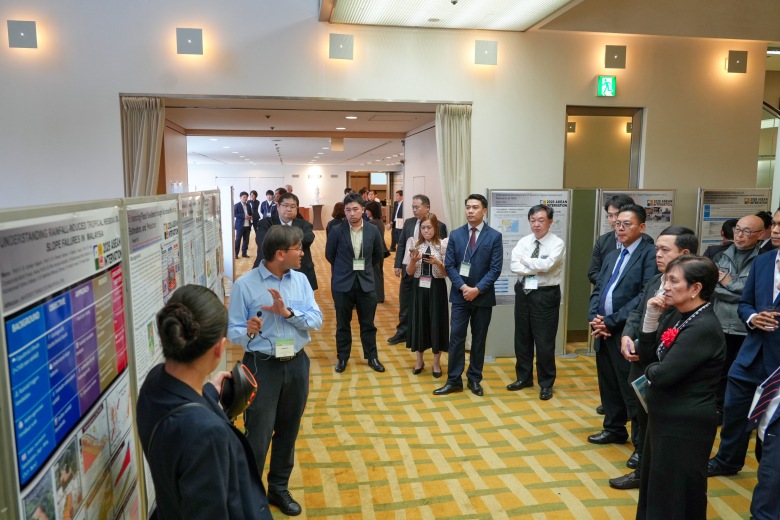
In addition, the World Café (Poster Session) enabled multi-disciplinary and cross-sectoral interactions among participants from government, academia and industry. The session facilitated active discussions to exchange research findings and their practical applications, fostering opportunities for collaboration.
Key Outcomes
Group discussions on the second day identified key priorities for future ASEAN–Japan cooperation, including co creating technology methodology for disaster and climate resilience, strengthening the STI social implementation interface, capacity development and co-learning and securing sustainable funding for partnerships. These discussions provided a structured framework for sustainable collaboration of linking scientific knowledge with practical implementation and clarifying concrete directions for joint activities.
Visit to NIED Facilities
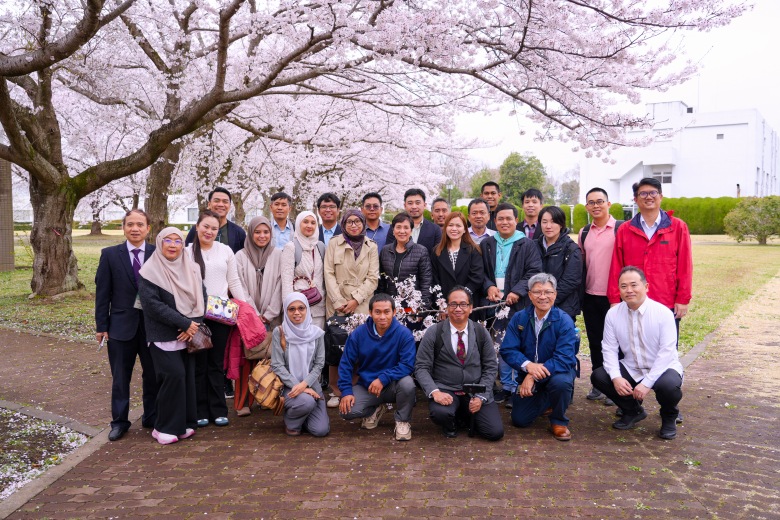
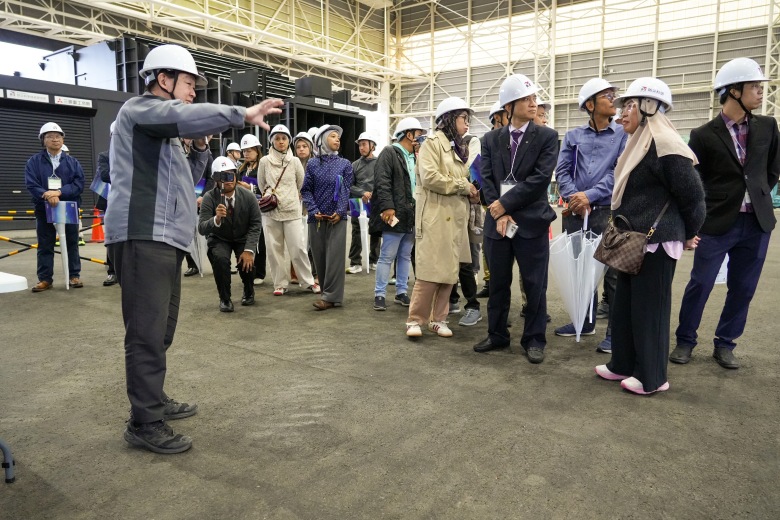
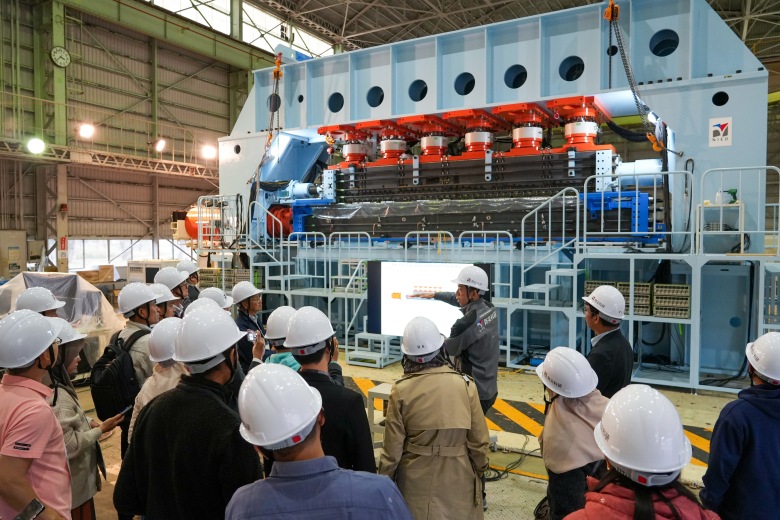
On the afternoon of the second day, participants visited NIED’s advanced facilities, including the MOWLAS Network Center and Large-Scale Rainfall Simulator, gaining insights of physical experimental facilities for disaster research in Japan.
Strengthening Future ASEAN–Japan Collaboration
The workshop concluded with closing remarks by a representative of the Thai Meteorological Department (SCMG) and Mr. Kazumi Shindo, Executive Vice-President of NIED, who emphasized the importance of continuing collaboration.
It also reaffirmed the shared commitment of ASEAN and Japan to advancing disaster science and translating knowledge into practical solutions that enhance resilience of societies.